
Studying abroad in a developed country can open up many opportunities, but it also comes with plenty of challenges, especially in the beginning.
When you live and study in a new environment, it can feel as if all your energy and attention have to go into schoolwork, learning a new culture, and adjusting to everyday life. Because of that, many other factors that affect your quality of life can easily be overlooked.

After some time, however, I realized that academic performance is only one part of the study-abroad journey. Physical health, mental well-being, and overall quality of life are what determine whether you can sustain your energy and performance over the long run.
That is why maintaining a healthy lifestyle and a positive mindset can help international students study more effectively while also enjoying their experience more fully.
Prioritize Your Physical Health
First and foremost, taking care of your physical health should be a top priority. When your family is not nearby, simple habits that your parents once reminded you about — such as eating regular meals or getting enough sleep — suddenly become your own responsibility.
Try to maintain a balanced diet that includes essential nutrients such as protein, vitamins, and fiber. This may sound like basic nutrition advice, but doing it consistently is not always easy.
In the city where I grew up, affordable food was available almost everywhere, at any time of day. In the U.S., many things were not as readily accessible, so I had to plan my meals in a way that was both convenient and affordable.
I lived in New York, where winters are long and very cold. Since I usually got around by bus, grocery shopping often felt like a hassle. That was how I discovered my one of biggest lifesavers: frozen food.
Many people tend to think that frozen food is less fresh and less nutritious than fresh produce. My experience in the U.S., however, has been quite different.
Many frozen fruits and vegetables are packaged close to where they are harvested and kept frozen throughout transportation. Because of that, they can be a convenient and nutritious option for quick meals.
For cooked dishes such as soups, stir-fries, or smoothies, I honestly did not notice much difference between frozen and fresh produce.
Stay Active and Spend Time Outdoors
Regular exercise and outdoor activities are also very important. Even spending just 15 to 30 minutes walking outside each day can improve your mood, reduce stress, and help your body feel stronger.
During winter, many international students spend days without getting enough sunlight, which can affect both mood and energy levels.
If you do not have much time, even sitting outside for dinner or taking a few minutes to relax outdoors can have a positive effect on your health.
Protect Your Sleep
Sleep plays an essential role in overall health. International students are especially prone to disrupted sleep because of late-night studying, homesickness, loneliness, and academic pressure. That is why it is important to build a regular sleep routine, limit phone use before bed, and create a comfortable space for rest.
Take Care of Your Mental Health
Just as important is taking care of your mental health. When living far from home, many international students may feel lonely, homesick, or stressed.
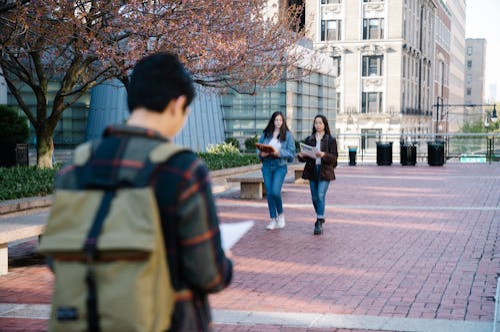
Cultural differences, unfamiliar habits, and gaps in social knowledge can also make it harder to fit in. If you experience this, do not be too hard on yourself. Take a break instead. These feelings are completely normal and happen to almost everyone. You simply need time to adjust.
You can be proactive by making friends, joining clubs, or participating in extracurricular activities. Staying connected with family and friends online can also help reduce the feeling of distance.
Manage Academic Pressure Before It Builds Up
Academic programs in the U.S. often require students to complete assignments, readings, and projects throughout the semester, instead of focusing only on a final exam. If you let everything pile up over a few weeks, it is very easy to feel overwhelmed.
When you run into difficulties, do not hesitate to seek support from friends, professors, or your school’s counseling services.
Listen to Your Body and Emotions
Finally, every international student needs to learn how to listen to their own body and emotions. When you feel tired or overwhelmed, resting and adjusting your pace is necessary.
Studying abroad is a long journey. You may struggle for years before you get to enjoy the rewards of your efforts. So instead of waiting until everything finally pays off, try to enjoy the journey as well.
Years later, when you look back on your time studying abroad, what you remember most may not be your grades or your degree, but the way you grew and learned to take care of yourself during those years away from home.
Related Articles:
How to Succeed at a U.S. University: 8 Practical Tips for International Students