
For many international students, transitioning from their traditional education system can be challenging. Many students who performed well in their home countries initially struggle because the expectations in U.S. classrooms are very different.
However, once you understand how the system works and develop the right strategies, you can adapt successfully and make the most of the opportunities this environment has to offer.
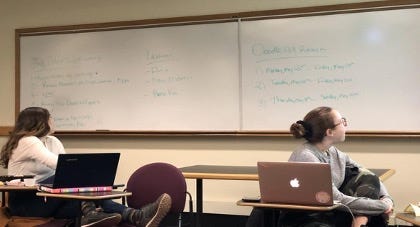
Participate Actively in Class
In the U.S., instructors often expect students to read assigned materials before class and contribute their ideas during discussions. Many professors appreciate students who ask thoughtful questions because it shows genuine interest in learning rather than simply trying to earn a higher grade.
Class participation is an important part of how students are evaluated. In fully online courses, participation may be assessed through discussion forums where students respond to readings and engage with classmates’ posts.
After my first semester, I was surprised that simply speaking up in class could affect my final grade. As a quiet person, it took me quite a while before I felt comfortable sharing my opinions.
Participation grades often account for 10% to 20% of the final grade, which can be equivalent to a midterm exam.
Build Strong Time Management Skills
One of the biggest adjustments for international students studying in the U.S. is the heavy workload.
Students are typically expected to complete a range of assignments and assessments throughout the semester, including weekly readings, regular essays, group projects, midterm and final exams.
In STEM fields such as Engineering or Computer Science, grades often depend more heavily on lab reports, analytical work, and calculation-based exams than on class discussion. Some courses, such as Calculus, Organic Chemistry, and Data Structures, are often considered “weed-out classes” because they are highly challenging and tend to have a relatively high number of students who switch majors afterward.
Because assignments and exams are spread throughout the semester, it is important to plan ahead and avoid becoming overwhelmed.
· Allocate your time wisely across courses and assignments.
· Prioritize major assignments or those with higher grade weight.
· Record all deadlines in a calendar, whether on your phone or a physical planner.
· Break large tasks into smaller steps instead of leaving everything until the last minute, especially essays.
That said staying organized throughout the semester becomes just as important as understanding the course material.
Essay Writing Is an Essential Skill
No matter what major you choose, writing essays is almost unavoidable. To do well on essays, which often carry significant weight in the grading structure, you need to become familiar with presenting ideas clearly, building arguments, applying critical thinking, and using evidence to support your points.
If you have prepared for the TOEFL iBT, you may already have some familiarity with the structure of academic writing in the U.S. If you have prepared mainly for IELTS, you may need to adjust the way you organize and present ideas.
If you are not used to writing essays in the American academic style, especially longer papers, take advantage of your school’s Writing Center, read sample essays, and ask for feedback before submitting your work.
One strategy that helped me perform well in essays and exams in the social sciences was preparing outlines for major essays at the beginning of the semester, based on the prompts and guidance in the syllabus. Then, as I completed weekly readings and attended class, I took notes on relevant points and added them directly to each essay outline.
By the time the essay deadline approached, I already had a solid collection of ideas and evidence related to the topic. All I needed to do was organize the material and develop it into a complete paper.
This approach not only helped me finish essays more efficiently with insights from readings and lectures, but also gave me enough time to develop my own arguments and make the writing more engaging.
Make Use of Office Hours
Professors in the U.S. usually set aside office hours specifically to support students. This is an extremely valuable opportunity, yet many international students overlook it. You can schedule a meeting during office hours to ask questions, seek academic advice, or discuss career goals.
I still remember the first time I visited a professor during office hours. I expected a formal meeting, but instead it felt like talking to a mentor who genuinely wanted to help me succeed. That experience completely changed the way I viewed professors in the U.S.
From my experience, students who make good use of office hours often perform better academically, communicate more confidently, and build stronger connections with their professors.
Learn How to Work Effectively in Groups
Group projects are a common part of many courses, especially in the sciences and social sciences. In group projects, members are expected to coordinate schedules, discuss the topic, divide responsibilities, and meet deadlines.
This is also where understanding cultural differences becomes important. Everyone is expected to contribute fairly. If a teammate is not contributing, students are generally expected to address the issue professionally with the group or inform the instructor when necessary, rather than completing all the work themselves.
To work effectively, you need to communicate clearly, respectfully, and directly with your teammates.
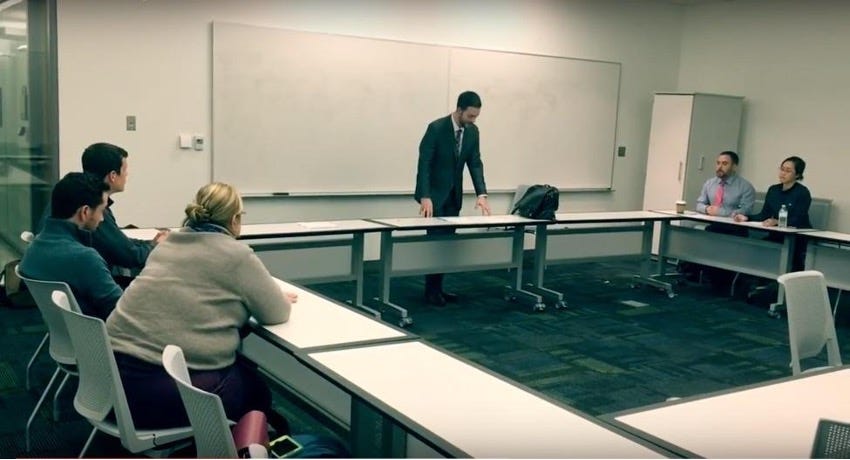
Through group projects, you will also learn how Americans communicate in professional settings, which is a valuable skill for future job interviews and workplace collaboration.
Develop Your Presentation Skills
For many international students, the hardest part of giving a presentation is not the content itself, but the anxiety of speaking in English in front of others. In the U.S. academic environment, however, the ability to communicate and present ideas can strongly affect academic performance, especially in the social sciences. Strong presentation skills are also valuable for networking and future career opportunities.
If you are not yet confident, you can practice presenting ideas with close friends, actively participate in group discussions, and join campus or community activities. These experiences will help you build confidence, improve your ability to express ideas, and develop professional communication skills for the future.
Take Advantage of Campus Resources
U.S. universities offer many student support services through different campus centers, including:
Tutoring Center — academic support
Writing Center — writing support
Language Lab — language skill development
Career Center — career development
International Student Office — visa and immigration support
Counseling Center — mental health support
These services are already included in the fees you pay as a student, so make the most of them.
Maintain a Healthy Balance Between School and Life
Academic success matters, but you also need time to rest, participate in extracurricular activities, and connect with friends. Doing so not only helps protect your health and reduce stress, but also improves soft skills such as English communication and networking — both of which are important when you begin looking for jobs later on.
When I was a student, I missed home deeply and could easily become discouraged. No matter how busy school became, I always tried to set aside at least a few hours — or one day each week — to enjoy activities with friends.
Some of my favorite activities included cooking together, volunteering, camping, apple picking, taking day trips, and trying sports I had never played in my home country, such as pickleball, hiking, and kayaking. I also made use of free or low-cost activities offered by the university, so my weekly cost for these activities felt quite reasonable.
Conclusion
Looking back, I realized that what I gained from studying in the United States went far beyond earning a degree. Studying abroad is not only about gaining academic knowledge — it is also a journey of developing the skills and confidence that will benefit you throughout your life. I learned how to think critically, communicate effectively, solve problems independently, and adapt to unfamiliar situations.
These skills have continued to benefit me long after graduation. If you approach your studies with curiosity, persistence, and a willingness to seek help when needed, your university experience in the U.S. can become one of the most rewarding chapters of your life.