For many immigrants, owning a home is an important part of the American dream. But like many dreams, it is not always easy to achieve.
In many large cities, home prices often rise faster than average income growth and people’s ability to save. On top of high housing prices, common beliefs such as needing a credit score above 700, having two sources of income, or saving at least 20% of the home’s value for a down payment can make homeownership feel out of reach for many newcomers.
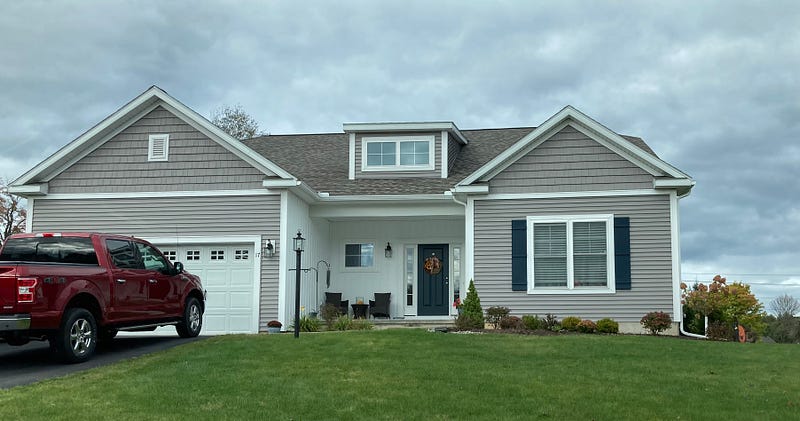
However, buying a home in the United States may be more realistic than you think. There are many assistance programs available. Programs such as FHA, USDA, VA, HomeReady, Home Possible, and state housing assistance programs are designed to help people with limited financial resources access homeownership opportunities.
Staying informed about these programs and planning your finances accordingly may significantly shorten your journey toward buying your first home.
FHA Loan — One of the Most Common Options
An FHA loan is a home mortgage insured by the Federal Housing Administration.
One of the biggest advantages of an FHA loan is its relatively flexible credit score and down payment requirements. In many cases, borrowers with a credit score of around 580 or higher may qualify to buy a home with a down payment as low as 3.5%.
For example, if a home costs $300,000, the minimum down payment may be about $10,500 instead of $60,000, which would be required for a 20% down payment under many conventional loan scenarios.
However, FHA borrowers usually need to pay a Mortgage Insurance Premium, or MIP. MIP includes an upfront fee equal to 1.75% of the loan amount and an annual fee, typically ranging from 0.15% to 0.75%, which is divided into monthly payments. Depending on the situation, MIP may last for many years or for the entire life of the loan.
Although monthly MIP may decrease slightly over time as the loan balance goes down, the reduction is usually not significant during the early years of the loan. For this reason, many homeowners choose to refinance into a conventional loan once they qualify, in order to remove MIP entirely.
USDA Loan — For Homes in Eligible Suburban and Rural Areas
A USDA loan is backed by the U.S. Department of Agriculture and is intended to help low- and moderate-income buyers purchase homes in eligible rural or suburban areas.
The most attractive feature of this program is that eligible buyers may be able to finance up to 100% of the home’s value with no down payment. In addition, USDA loans often offer competitive interest rates and do not require Private Mortgage Insurance, or PMI.
There are two important eligibility requirements for a USDA loan: the home must be located in an area approved by the USDA, and the household income must not exceed the program’s income limits.
A common misconception is that USDA loans are only for remote rural areas or places directly related to agriculture. In reality, many communities near major cities may still qualify for this program.
A USDA loan may sometimes be a better option than an FHA loan if the home you are considering is located in an eligible area. Many buyers are surprised to learn that some suburban communities just outside major metropolitan areas also qualify.
You can check USDA eligibility by using the official USDA map or tools provided on the websites of banks and mortgage lenders.
USDA loans still include an upfront guarantee fee and an annual fee, but these costs are often lower than the mortgage insurance costs associated with FHA loans.
HomeReady and Home Possible — Private-Sector Affordable Loan Options
In addition to government-backed programs, private-sector housing organizations also offer mortgage options for low- to moderate-income buyers. Two common programs are:
· Fannie Mae’s HomeReady program
· Freddie Mac’s Home Possible program
These are conventional loan programs designed for homebuyers with low to moderate incomes. Both programs may allow eligible buyers to put down as little as 3% of the home’s value. They are especially helpful for first-time homebuyers who have stable income but limited savings.
To qualify, the borrower’s income generally must not exceed 80% of the Area Median Income, or AMI. One important advantage is that borrowers may be able to combine these programs with different sources of support, such as gifts from family members, grants, or state down payment assistance programs, to meet the initial financial requirements.
VA Loan — For Service Members and Veterans
A VA loan is a program offered through the U.S. Department of Veterans Affairs for eligible service members, veterans, and certain other qualified individuals.
This program often does not require a down payment and offers favorable loan terms. It is widely considered one of the best mortgage options in the United States for those who qualify.
State Housing Assistance Programs
In addition to federal programs, most states offer assistance programs for first-time homebuyers and low- to moderate-income households.
Common types of assistance include:
· Down payment assistance grants
· Zero-interest or low-interest loans
· Closing cost assistance
· Grants that do not need to be repaid
To access these programs, you should visit the website of the housing finance agency in the state where you live. Examples include My First Texas Home for residents of Texas, CalHFA in California, and SONYMA in New York.
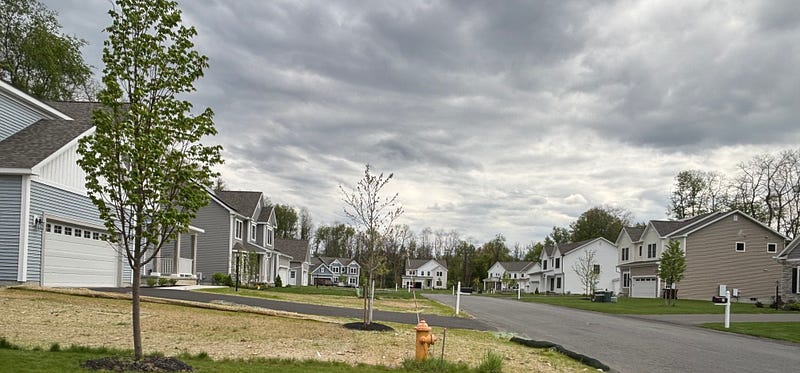
Each program has different requirements related to income limits, home location, credit score, eligibility rules, and minimum residency periods. Most programs require buyers to complete a homebuyer education course before receiving assistance.
Depending on your state and eligibility, you may receive anywhere from a few thousand dollars to tens of thousands of dollars in assistance.
Some state assistance programs can be combined, or “stacked,” with FHA, HomeReady, or Home Possible loans to significantly reduce the amount of cash needed upfront.
A Few Things to Consider Before Applying
Depending on each program’s requirements, you may be able to combine different forms of assistance to make the most of available support. For example, if your household income falls within the moderate-income range, you may qualify for down payment assistance from a state program, local government, or nonprofit organization.
Every program has its own requirements regarding income, home price, residency, and whether it can be combined with other programs. For that reason, buyers should speak directly with a lender or a homebuyer counselor before applying.
Although these programs can make homeownership more accessible, it is still important to carefully consider your current and future financial situation. In addition to the cost of buying a home, homeownership in the United States also includes property taxes, homeowners insurance, repairs, and maintenance.
If these costs become unaffordable, selling the home shortly after purchase could create significant financial stress.
Conclusion
Many first-time homebuyers focus on finding a low interest rate but overlook down payment assistance programs. In reality, strategically combining the right sources of support from federal, state, local, and family resources may help significantly reduce the amount of cash you need upfront.
Whether buying or renting is the better financial decision depends on each person’s circumstances. However, for many families, owning a home represents much more than a financial investment. To me, a home is more than a financial asset. It is where we spend much of our lives, create memories with family and loved ones, watch our children grow, and take pride in everything we have worked so hard to build.
You can also read the following articles for more information and practical experience during the homebuying process.
Understanding the U.S. Housing Policy System
Buying Your First Home in the U.S.: Mistakes That Could Cost You Thousands of Dollars
Credit Scores: Why They Matter and How to Build Them Effectively