
FAFSA, which stands for the Free Application for Federal Student Aid, is the form used to apply for federal financial aid programs offered by the U.S. Department of Education to eligible students enrolled in qualifying post-secondary education programs.
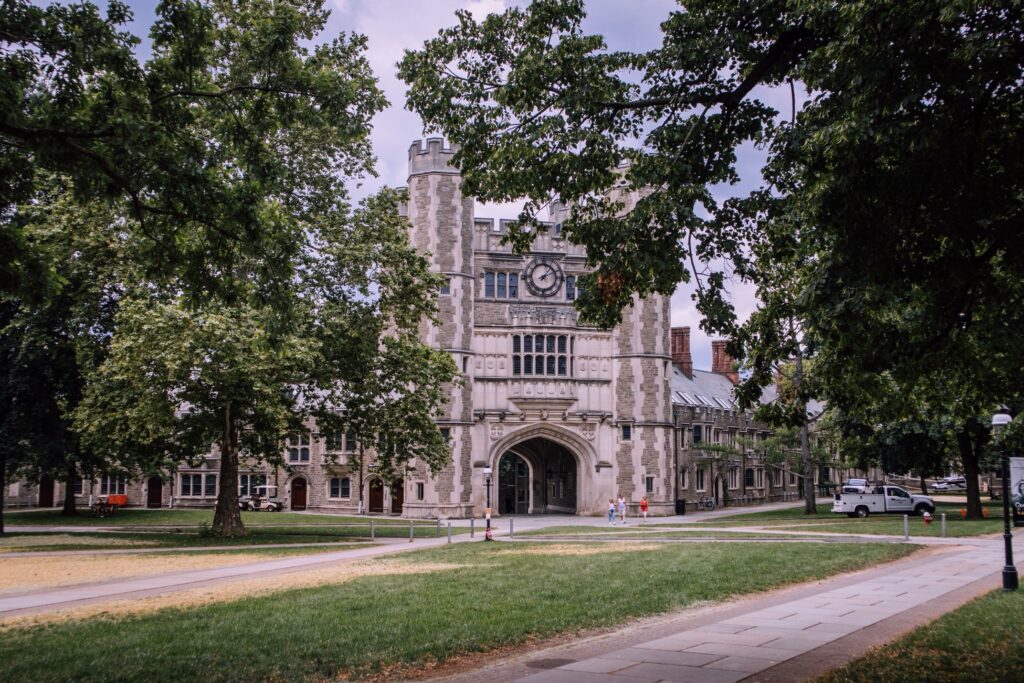
Image: Princeton University, Clement Proust/Pexels
It is one of the most important steps for students who want to be considered for financial aid programs such as Federal Pell Grants, Federal Work-Study, Federal Student Loans, and many state or institutional aid programs.
FAFSA itself is not a scholarship or a financial aid award. Rather, it is an information-gathering form that helps the U.S. Department of Education and colleges determine a student’s eligibility for financial aid.
How Is FAFSA Used?
After you complete the FAFSA, the U.S. Department of Education uses the information you provide to calculate your Student Aid Index (SAI).
The Student Aid Index (SAI) is an index that colleges use to help determine a student’s eligibility for financial aid. It is calculated based on factors such as the student’s income, the income of parents or contributors if applicable, certain types of assets, family size, and other factors set by the federal formula.
Once your FAFSA is processed, you will receive a FAFSA Submission Summary through StudentAid.gov. The summary includes your Student Aid Index (SAI), a summary of the information you submitted, and other details related to your application.
One important thing to understand is that the SAI is only an index calculated by the U.S. Department of Education based on FAFSA information to help schools evaluate your financial need.
Because the SAI is only an index, it should not be interpreted as a guarantee of the amount of financial aid you will receive. In general, a lower SAI may indicate greater financial need. However, a lower SAI does not automatically mean that you will receive more aid.
The U.S. Department of Education also sends your FAFSA information to the schools you selected.
Each school then uses the Student Aid Index (SAI), together with factors such as its Cost of Attendance (COA), the aid programs for which you may qualify, the school’s financial aid policies, available financial aid funding, and other sources of aid for which you are eligible, to build your financial aid package. The school then sends you a financial aid offer describing that package.
Depending on your circumstances, the aid package may include Federal Pell Grants, Federal Work-Study, Federal Direct Student Loans, institutional scholarships, state financial aid programs, or other sources of support.
This also means that two students with the same FAFSA results will not necessarily receive the same financial aid package, even if they attend the same school.
Who Should Submit the FAFSA?
You should consider completing the FAFSA if you:
- plan to attend a school that participates in federal student aid programs;
- want to be considered for a Pell Grant;
- want to participate in Federal Work-Study;
- want to borrow Federal Student Loans;
- want the school to consider you for scholarships or financial aid programs;
- or want to be considered for state aid programs.
Even if you are not sure whether you qualify for aid, completing the FAFSA is still worth considering because many school and state aid programs also use FAFSA information.
Who Can Submit the FAFSA?
Not every student is eligible to receive federal student aid. In general, students who submit the FAFSA for federal financial aid must meet federal citizenship or residency status requirements.
Eligible FAFSA applicants typically include U.S. citizens, lawful permanent residents (Green Card holders), and certain other eligible noncitizens as defined by federal rules.
Most international students on F-1 visas are not eligible for federal student aid, although they may still qualify for scholarships or financial assistance offered by their school.
When Does the FAFSA Open?
The FAFSA opens for each academic year. You should keep track of when the form becomes available and submit it as early as possible.
Many schools and states also use FAFSA information when reviewing students for other financial aid programs. These programs may have limited funding or their own priority deadlines, so submitting the FAFSA early can help you avoid missing out on potential aid opportunities.
What Happens After You Submit the FAFSA?
After you submit the FAFSA, here’s what typically happens next:
- The U.S. Department of Education processes the application and calculates the Student Aid Index.
- Your information is sent to the schools you selected.
- Each school creates a financial aid package based on the SAI, Cost of Attendance, and the school’s financial aid policies.
- The school sends you a financial aid offer for review.
- You decide whether to accept or decline each type of aid in the package.
You are not required to accept every type of aid offered. For example, you may choose to accept a Pell Grant and Federal Work-Study but decline Federal Student Loans if you do not need to borrow.
Common Misunderstandings About FAFSA
FAFSA is not a scholarship.
FAFSA is not a loan.
FAFSA does not guarantee that you will receive financial aid.
FAFSA is simply the first step in the financial aid application process.