When exploring career opportunities in the United States, students often focus on internships with specific companies or organizations. However, there is another highly valuable career development opportunity that is less commonly discussed: fellowships.
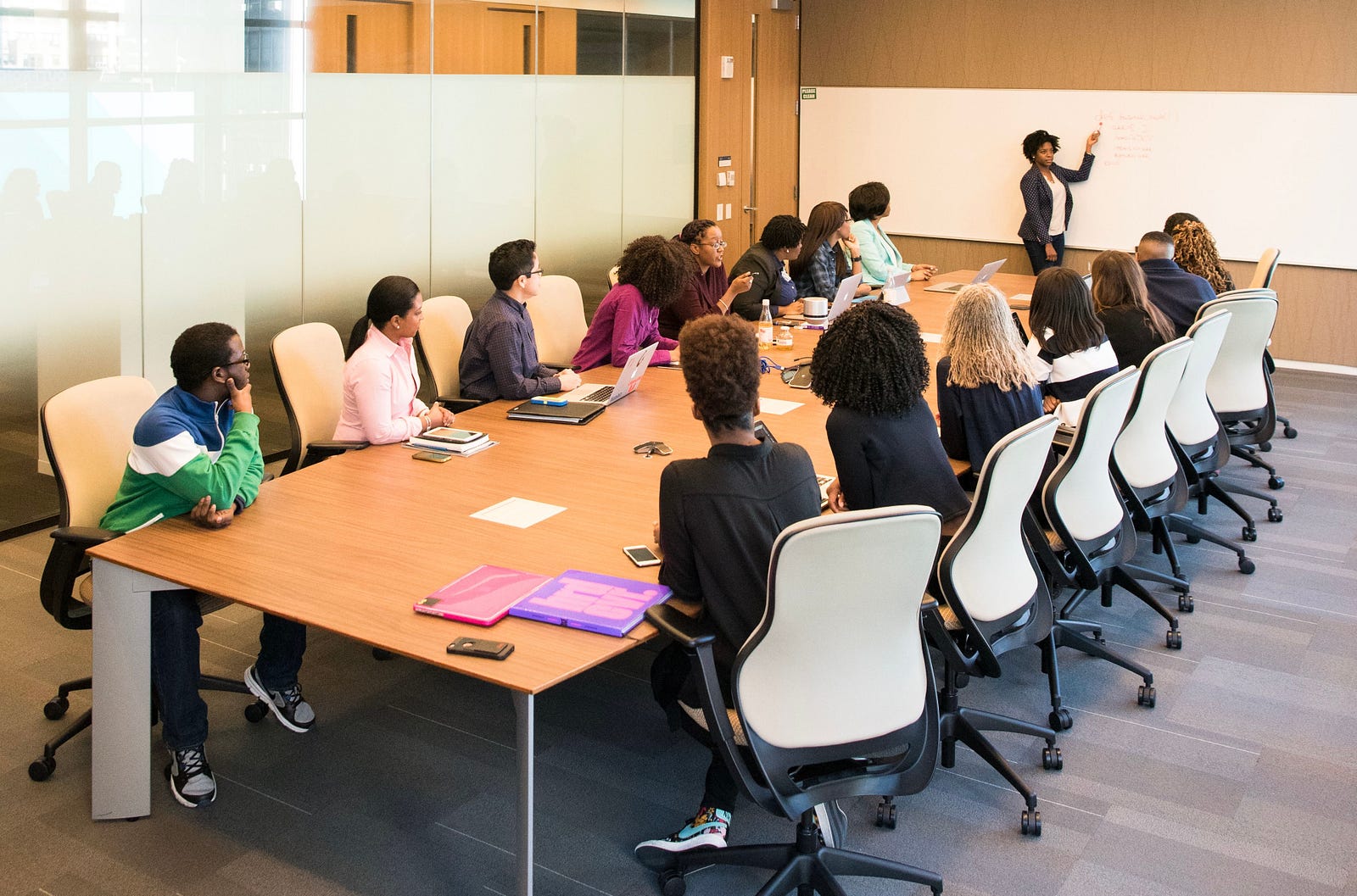
Fellowships are typically intensive training programs that combine professional development with practical work experience. They are often offered by universities, government agencies, nonprofit organizations, or foundations. Depending on the program, a fellowship may last anywhere from a few weeks to one or two years, and it often focuses on building subject-matter expertise, leadership skills, and professional networks.
Unlike internships, which mainly help students gain exposure to the workplace through hands-on experience at an organization or company, fellowships are often designed as more comprehensive professional and intellectual development programs. Participants typically do more than work on a specific project; they may also take part in structured training sessions, specialized workshops, mentoring activities, and networking opportunities with experts in the field.
Fellowship programs vary widely and can be found in many fields, including public policy, health care, education, scientific research, technology, journalism, environmental work, and community development. Some fellowships are designed for undergraduate or graduate students, while many others are intended for professionals who already have work experience and want to advance their careers in a particular area.
My Personal Experience
While pursuing my Ph.D. at the University at Albany, part of the State University of New York system, I had the opportunity to participate in the Fellowship on Women in Government and Public Policy, organized by Rockefeller College. This program is designed for doctoral students and graduate students interested in public policy.
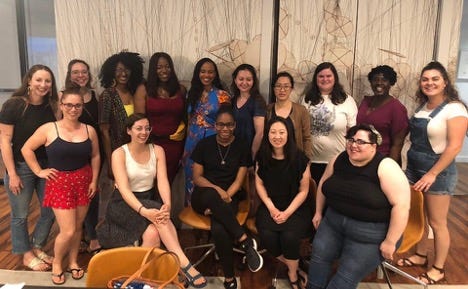
For me, it was not simply an internship. It felt more like an intensive training program focused on how the public sector works. In addition to working directly with policy-making agencies in New York State, I attended training sessions on leadership, the policy-making process, fundraising in the nonprofit and public policy sectors, and had opportunities to meet many leaders in state government.
That fellowship helped me gain a much deeper understanding of how state government operates, expand my professional network, and build a foundation for later opportunities with the New York State Office of the State Comptroller and the New York State Division of the Budget.
Is a Fellowship Right for You?
If your main goal is to gain work experience while you are still in school, an internship may be the better fit.
If you want to develop your expertise in a more structured way, build a professional network, and gain deeper knowledge of a specific field, a fellowship may offer greater value. Many programs also provide scholarships, living stipends, or salaries during the fellowship period.
Fellowships often require a significant time commitment. The coursework or training components can also be demanding. You may need to complete weekly assignments, write papers, take part in hands-on activities, and work with partner organizations at the same time.
Depending on your career goals, schedule, and F-1 visa requirements at each stage, you may choose to pursue an internship while you are still enrolled in school and then apply for a fellowship in your final semester or after graduation.
The Selection Process for Fellowship Programs
Unlike many internships, fellowship programs can be quite competitive. Applicants are often required to submit an application, essays, letters of recommendation, and participate in interviews. Fellowship committees typically consider not only academic achievement, but also work experience, leadership, community involvement, career direction, and how well the applicant’s goals align with the mission of the program.
Where Can You Find Fellowship Programs?
You can look for fellowships through:
University websites.
Your school’s Career Center.
Federal, state, or local government agencies.
Nonprofit organizations and research institutes.
LinkedIn, Handshake, and Idealist.
Foundation websites such as Fulbright, AAUW, the Ford Foundation, Open Society Foundations, or field-specific professional organizations.
A few well-known fellowship programs
Obama Foundation Scholars Program — World Leadership
Fellowship for Women in Government and Public Policy — Public Policy
Presidential Management Fellows (PMF) — Federal Government
Fulbright — Education & International Affairs
AAUW American Fellowships — Women & Higher Education
NSF Graduate Research Fellowship — Research/STEM
Ford Foundation Fellowship — Research & Diversity
Pickering Fellowship — Foreign Affairs
Echoing Green Fellowship — Social Impact
Final Thoughts
If you are interested in research on social issues, public policy, education, health care, or other community-oriented fields, a fellowship can be an extremely valuable experience as part of your academic and professional development.
Beyond helping you gain practical experience, many fellowship programs also give you the chance to learn from experts, build a professional network, and better understand how large organizations operate. For many people, a fellowship can also serve as an important stepping stone toward career opportunities that a traditional internship may not provide.
Related Articles
Don’t overlook these job opportunities if you are an international student
Finding Internships: A Practical Guide for International Students
Job Search Resources You Shouldn’t Overlook
Why International Students Often Struggle with Networking
How to Make Your Job Application Stand Out
Important Notes When Applying for Jobs and Interviewing in the United States
CPT, OPT, and STEM OPT: A Practical Work Roadmap for International Students in the U.S.