
As a nation shaped by generations of immigrants, the United States has developed a broad and varied system of support for newcomers.
Beyond humanitarian programs established under immigration law, the country also offers a range of policies and services designed to help immigrants settle, enter the workforce, and become part of their local communities.
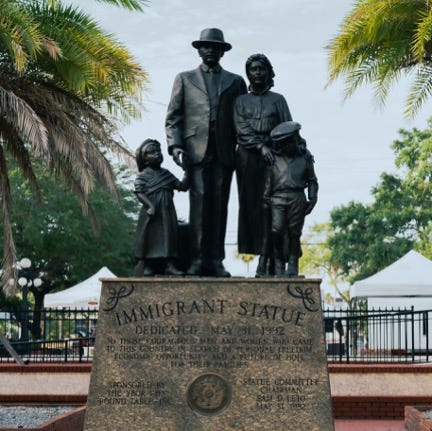
Photo: Maheshwar Reddy/Pexels.
These programs can differ widely from state to state. In practice, immigrant support goes far beyond direct assistance. It can include language classes, education, employment services, health care, legal help, housing support, tax guidance, and community-based services.
This article offers an overview of the main support programs available to immigrants in the United States.
Why immigrant support policies matter
Immigrants are an important part of the U.S. economy and society. They work, start businesses, pay taxes, study, conduct research, care for their families, and add to the diversity of communities across the country.
At the same time, many newcomers face practical barriers when they begin life in the United States. These may include limited English proficiency, unfamiliarity with U.S. systems, no credit history, foreign credentials that are not yet recognized, and uncertainty about how to access public services.
Without the right support, these barriers can slow the integration process, limit access to jobs and education, and make it harder for families to build a stable life. Over time, they can also create greater challenges for local communities and public systems.
For that reason, immigrant support policies are not only humanitarian measures. They are also investments in people, social stability, and long-term economic growth.
Alongside programs that support immigrant integration, the United States has also developed a range of policies aimed at attracting international workers and talent to support economic growth and strengthen its global competitiveness.
The role of federal, state, and local government
Immigrant support in the United States involves multiple levels of government, along with nonprofit groups, schools, libraries, faith-based organizations, and other community institutions.
At the federal level, the government oversees immigration law, refugee programs, work authorization, green cards, citizenship, and several nationwide support programs.
State governments often run their own initiatives as well. Some states, including those with large immigrant populations such as New York and Florida, support Offices for New Americans in cities across the state. Depending on state policy, these offices may provide free services such as English classes, legal guidance, job training, employment assistance, health insurance navigation, and settlement support.
For many immigrants, the most direct help comes from local governments, schools, public libraries, community colleges, churches, and nonprofit organizations.
Main types of support for immigrants
1. Language and education support
Language is often one of the biggest challenges for people who are new to the United States. Many communities therefore offer English classes for adults, commonly known as English as a Second Language, or ESL, programs.
These classes may be offered through community colleges, public libraries, local schools, or community organizations. Some programs also provide citizenship test preparation, tax-filing help, life skills classes, computer training, and basic guidance on how U.S. systems work.
For school-age children, public schools often offer programs for English learners to help them participate more fully in the classroom.
2. Employment support and vocational training
A steady job is one of the most important steps toward stability. Government agencies and community organizations offer programs that help immigrants search for jobs, write résumés, prepare for interviews, receive vocational training, and connect with employers.

American Job Centers and local workforce development programs, for example, can help workers learn new skills, change careers, or explore industries that are hiring.
For immigrants who bring degrees or professional experience from other countries, some programs also help with credential evaluation, additional certification, or career planning in the U.S. labor market.
3. Legal and immigration support
U.S. immigration law is complex and can change over time. As a result, legal assistance is a key part of the support system for immigrants.
Nonprofit organizations, immigration law offices, and Offices for New Americans in some states may help immigrants understand their rights, apply for naturalization, renew documents, pursue family sponsorship, seek work authorization, or address basic legal questions.
4. Health care support
Access to health insurance for immigrants depends on several factors, including immigration status, employment, income, age, and state rules.
Some immigrants may buy coverage through the Health Insurance Marketplace, receive insurance through an employer, or qualify for Medicaid, Medicare, CHIP, or state health programs. Some states also extend coverage to children or low-income residents regardless of immigration status. Still, eligibility for many public programs depends on both immigration status and state policy.
Many communities also have community health centers that provide lower-cost care, especially for people who are uninsured or have limited income.
5. Education support for children and families
School-age children generally have the right to attend public school, regardless of their parents’ immigration status. This is one of the most important pathways for immigrant children to become part of American society.
Outside the classroom, families may be able to access programs such as Head Start, Early Head Start, WIC, school meals, Medicaid, or CHIP if they meet program requirements and state rules.
These programs can support children’s nutrition, health care, early education, and overall development in the first years of life.
6. Housing support and life stability
Housing is often one of the biggest challenges for newcomers, especially for those who do not yet have a credit history, stable employment, or enough information about how the housing system works.
Some local governments and organizations offer rental assistance, support for people in housing crises, counseling on tenants’ rights, or referrals to community services.
Depending on immigration status and income, some immigrants may qualify for certain housing programs, although eligibility often varies by program and location.
7. Tax and financial support
Taxes are another important part of the integration process. Many immigrants need to learn how to file taxes, apply for an ITIN if they are not eligible for a Social Security number, understand tax credits, and build a financial record in the United States.
Programs such as Volunteer Income Tax Assistance, or VITA, provide free tax-filing help for people with low or moderate incomes. Filing taxes correctly can also help eligible immigrants access benefits such as the Child Tax Credit, the Earned Income Tax Credit, or other forms of support.
8. Community support and social integration
Beyond formal government programs, many immigrants rely heavily on community networks, including nonprofit organizations, churches, temples, associations, libraries, schools, and community centers.
These organizations often help newcomers navigate practical steps such as finding housing, enrolling children in school, opening a bank account, finding a doctor, learning to drive, looking for work, or connecting with local services.
For many immigrants, these community networks are the first and most important bridge to life in the United States.
9. Refugee Assistance Programs
The U.S. government funds a number of programs that help refugees and certain eligible immigrant groups stabilize during their first months and years in the country. These programs can include employment support, English classes, vocational training, health care, housing assistance, and resettlement services delivered through states and nonprofit organizations.

Why newcomers often miss support programs
Many immigrants do not use available support programs for common reasons: limited English proficiency, lack of information, confusion about eligibility, not knowing where to apply, or concern that using these services could affect their immigration record.
Newcomers do not need to understand the entire system right away. A good first step is to contact an immigrant-serving organization nearby, such as a local government office, school, public library, church, or community group. These organizations can often provide information or referrals to programs that fit a family’s specific situation.
Summary
A key feature of the immigrant support system in the United States is that no single agency manages it all. Instead, services are spread across many areas, including education, employment, health care, housing, taxes, legal assistance, and community support.
In that sense, immigrant support policies do more than help newcomers manage their first challenges. They also help people gradually become part of their communities and understand how systems in the United States work.
The table below summarizes the main types of immigrant support policies in the United States.
| Type of support | Targeted goals |
| Language and education support | Helps immigrants learn English and understand how U.S. systems work |
| Employment support | Connects workers to training, job-search support, and employment opportunities |
| Legal support | Helps immigrants understand their rights and navigate immigration procedures |
| Health care support | Improves access to insurance, clinics, and health care services |
| Support for children and families | Supports children’s education, nutrition, health, and early development |
| Housing support | Helps newcomers find stable housing and understand tenants’ rights |
| Assistance on tax and financial services | Helps with tax filing, financial records, and access to eligible tax benefits |
| Community support | Connects immigrants with local services, information, and social networks |