
Before coming to the United States, I often heard people describe the American healthcare system as “excellent.” But once I actually began using medical services here, I found myself genuinely confused by how the system worked and how payments were handled. Looking back, I realize I missed out on many benefits that could have helped me take better care of my health while also saving money.
If you are just starting your life in the U.S. — whether as an international student, a recent immigrant, or a new resident — understanding how the healthcare system works, what current health laws protect you, and how insurance plans pay for care is extremely important. To help you avoid unnecessary expenses, here are the key steps you should take when you first begin using health insurance in America.

Choose the right insurance plan
In the U.S., many employers offer one standard health insurance policy for all employees. Larger companies and government agencies, however, often allow workers to choose from several plan options depending on their needs.
Based on my experience, there are two main things you should consider when choosing a plan.
First, think carefully about whether an HMO or a PPO is the better fit for you.
An HMO (Health Maintenance Organization) usually has a lower monthly premium than a PPO. With an HMO, you typically need a referral from your primary care provider (PCP) before you can see a specialist. This may be a good option if you do not have a complicated medical history.
A PPO (Preferred Provider Organization) usually costs more each month, often by ten to several dozen dollars, but it gives you greater flexibility in choosing doctors and medical facilities.
Second, make sure you understand the plan’s payment rules.
Monthly premium
Deductible: the amount you must pay before insurance starts covering costs
Copay: the amount you pay when you receive care
Out-of-pocket maximum: the most you are required to pay in a year
Preventive services covered at no cost
Understanding these basic terms will help you choose a plan that fits your needs, use your insurance more effectively, and avoid unpleasant surprises when medical bills arrive.
Know when you can enroll or switch plans
There are two main times when you can choose or change your health insurance plan: when you start a new job and during annual open enrollment.
Open enrollment happens once a year, usually toward the end of the year, around November and December. During that time, you can enroll in a plan or switch to a different one. Because you often only get one chance each year to make changes, it helps to think ahead about your health needs for the coming year. Common changes include moving from an individual plan to a family plan, switching between an HMO and a PPO, or pausing or canceling coverage.
Outside of open enrollment, you may still be able to change plans if you experience a qualifying life event, such as getting married, having a baby, or losing previous coverage.
You can contact your Human Resources department or visit your insurance provider’s website to learn what options are available to you.
Receive and keep your insurance card
When you enroll in health insurance, you will receive an insurance card. This may be a physical card or a digital version. You should keep it with you because you will need to show it when using medical services.
It is also helpful to keep a photo of your insurance card on your phone in case you forget the card or lose it before a replacement arrives. If you need assistance, you can call the insurance company directly for guidance.
Create your healthcare accounts online
You can create personal accounts on your insurance company’s website and on the websites of the healthcare systems you use most often. These accounts make it easier to search for doctors in your network, review plan details, and track how your insurance is paying for the services you receive.
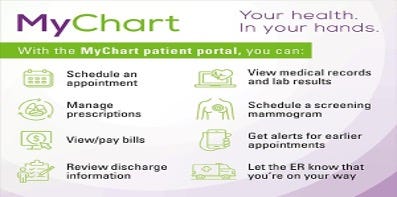
For example, in New York and several other states, many healthcare systems use online tools such as MyChart or similar patient portals. Through these systems, you can store your insurance information, schedule appointments, manage medical records, pay bills online, and dispute billing issues when needed.
Choose a primary care provider
Choosing a primary care provider (PCP) is one of the most important steps. Your PCP is the first doctor or healthcare professional you will usually see when you have a health concern. They can treat common conditions within their expertise and refer you to specialists when necessary.
Your PCP also keeps track of your medical history, vaccination records, and routine preventive care. In many cases, your PCP and their nursing staff can also help you solve problems related to appointments, referrals, or communication with other doctors. A PCP may be a physician or a nurse practitioner.
In some areas, including places like Albany, New York, finding a PCP is not always easy. That is why it is wise to register with several providers and start as early as possible, especially if there is a waiting list. If you know someone locally, you may also ask whether they can recommend their doctor.

Once you have a PCP, making appointments often becomes much easier. Some insurance plans also require a referral from your PCP before you can see a specialist.
Use doctors and clinics that are in-network
Most health insurance plans in the U.S. have their own provider networks. If you receive care from doctors or hospitals that are in-network, insurance will usually cover most of the cost. If you go out of network, the bill can be much higher because insurance may pay only a small portion — or nothing at all.
The easiest way to find in-network providers is to visit your insurance company’s website and use its “Find a Doctor” tool.
Know where to go for the right type of care
There are three levels of care you should understand before making an appointment. Going to the wrong place can cost you time and money.
Primary care or clinic visits: for mild illness or routine checkups
Urgent Care: for health issues that need attention quickly but are not life-threatening
Emergency Room (ER): for serious emergencies that may threaten life or long-term health
Check whether you need a referral
In some cases — especially with HMO plans — insurance may refuse to pay if you do not have a referral from your primary care provider. Before scheduling with a specialist, ask the clinic or hospital whether a referral is required.
Learn how your prescription coverage works
If you take medication regularly, make sure to:
Check which medications are covered by your insurance plan
Use a pharmacy that is in-network
Ask your doctor whether a generic medication is available, since it is often less expensive
Track your bills and your benefits
After each medical visit, you may receive an Explanation of Benefits (EOB) from your insurance company. This document explains how the claim was processed and what portion of the cost was covered. Keep your EOBs and compare them with bills from the hospital or clinic so you can catch errors if something looks wrong.
If you receive a bill that seems unexpectedly high or unclear, you have the right to ask the clinic to review it or explain the charges. You can also call your insurance company directly to better understand your benefits.
When I was a student, I paid many medical expenses out of pocket simply because I did not understand that they should have been covered by insurance. I submitted bills when asked, but when reimbursement did not come and no one explained why, I gave up and paid on my own. It was not until I had a child and had to communicate with insurance more often that I realized how effective it can be to call the insurance company directly.

Many newcomers are shocked to receive medical bills worth tens of thousands of dollars. What many people do not realize is that federal law requires healthcare facilities to provide cost estimates — after insurance, when possible — before treatment.
Price Transparency: Under federal regulations, hospitals are required to disclose service prices and provide estimates before treatment so patients can better understand what insurance may cover and what they may need to pay themselves.
No Surprises Act: This law helps protect patients from unexpected medical bills from out-of-network doctors or facilities they did not knowingly choose.
In addition, many hospitals and clinics offer financial assistance programs, payment plans, or discounts depending on the patient’s circumstances and the provider’s policies.
Many people avoid seeing a doctor because they are worried about cost or do not understand the system. But delaying care can sometimes make the situation more expensive later. You can still go in for an evaluation, receive a diagnosis, and ask about your treatment options and expected costs before deciding what to do next.
Take advantage of preventive care
Many insurance plans cover preventive services at 100%, including annual wellness visits, vaccinations, and cancer screenings.
These services give you an important opportunity to monitor your health early and protect your long-term well-being.
Enroll in an FSA and/or HSA through your employer
A Flexible Spending Account (FSA) allows employees to set aside pre-tax money for eligible healthcare expenses or dependent care expenses. A Health Savings Account (HSA), by contrast, is available to people enrolled in a High Deductible Health Plan (HDHP).
One of the biggest advantages of these accounts is tax savings. For example, if your annual income is $100,000 and you contribute a total of $5,000 to your FSA and HSA, your taxable income may be reduced to $95,000.
Conclusion
Health insurance in the United States can feel complicated at first. But once you understand how the system works and what benefits you are entitled to, it can become an important layer of protection for you and your family against overwhelming medical costs.