
Before I studied abroad, I used to think the hardest part would be getting a visa or keeping up with school. But after many years of living in the United States, I realized the real challenge was something else entirely: learning how to grow up while building a life far from home.

Image: Pexels
If you are trying to decide between studying abroad and continuing your education in Vietnam, here are my personal reflections on the benefits and risks of studying abroad after nearly a decade of studying and living in the U.S.
At its best, studying abroad is not only an academic opportunity. It is also a life experience that allows you to discover a new environment, test your limits, and understand yourself more deeply.
Access to a high-quality education
One of the clearest benefits of studying abroad is the chance to learn in a strong academic environment. In addition to updated knowledge, many U.S. universities place a strong emphasis on practical skills. Students are encouraged to develop independent thinking, creativity, teamwork, and presentation skills — abilities that are just as important as grades in the real world.
Stronger English skills through daily use
Another major advantage is language development. In an English-speaking environment, you are pushed to improve all four skills — listening, speaking, reading, and writing — simply because you need them every day. That constant practice helps you keep up with coursework, communicate more confidently, and adapt more quickly to life outside the classroom.
A broader worldview through cultural exposure
Studying abroad also gives you the opportunity to understand different cultures in a very personal way. As an international student, you study and connect with people from many countries and backgrounds. Over time, this exposure can make you more open-minded, flexible, and thoughtful in the way you see the world.
I experienced this change myself. Back in Vietnam, I used to carry certain assumptions and worries about Muslims. Today, some of my close friends are Muslim, and through those friendships I have come to admire and learn from their qualities such as discipline, honesty, kindness, and sincerity.
Greater independence and emotional growth
Living far from family teaches you how to manage your own time, finances, and personal life with more discipline. These experiences often help students become more confident, responsible, and self-reliant.
For me, one of the deepest changes was emotional maturity and the way I built relationships. Being far from family and long-time friends pushed me to be more proactive about connecting with others, while also becoming more selective about the relationships I chose to invest in. Living in a multicultural environment also taught me to accept differences more calmly and manage my emotions better.
For many students — including me — living away from home for the first time also creates a stronger sense of empathy. You begin to understand more deeply what it means to miss home, miss your parents, and start over in an unfamiliar place.
Career opportunities and long-term value
Career opportunities are another major benefit of studying abroad. Many international students graduate into strong jobs, gain the financial ability to support their families in Vietnam, and in some cases build a long-term future in the U.S.
Even if you choose to return to Vietnam, an international degree and overseas experience can still carry significant value in the job market. Many of my friends have gone back, built successful careers, and felt completely satisfied with that decision.
The financial pressure is real
Still, like any major investment, studying abroad comes with serious challenges. One of the most common is the financial burden. Studying overseas often requires a large commitment over a long period of time, and without a clear financial plan, money stress can quickly become overwhelming.
Cultural differences and homesickness
Another challenge is cultural adjustment. Differences in communication styles, daily routines, and social values can make some students feel out of place, especially in the beginning. On top of that, living away from family for a long time can take an emotional toll. Loneliness, homesickness, and the lack of familiar support can affect both your mental health and your daily life.
The uncertainty of finding the right job
One of the biggest long-term risks is not finding a suitable job — or finding one that does not meet your financial expectations. Because of limited experience, language barriers, or visa constraints, international students often have to compete at a disadvantage compared with local candidates. That can create pressure not only around money, but also around long-term career and immigration plans.
The hidden cost of distance
Over time, there is another reality many international students quietly have to accept: building a life and career abroad can gradually weaken some of your ties back home. Even if you visit Vietnam regularly or try hard to stay in touch, some friendships — and sometimes even family relationships — will naturally change.
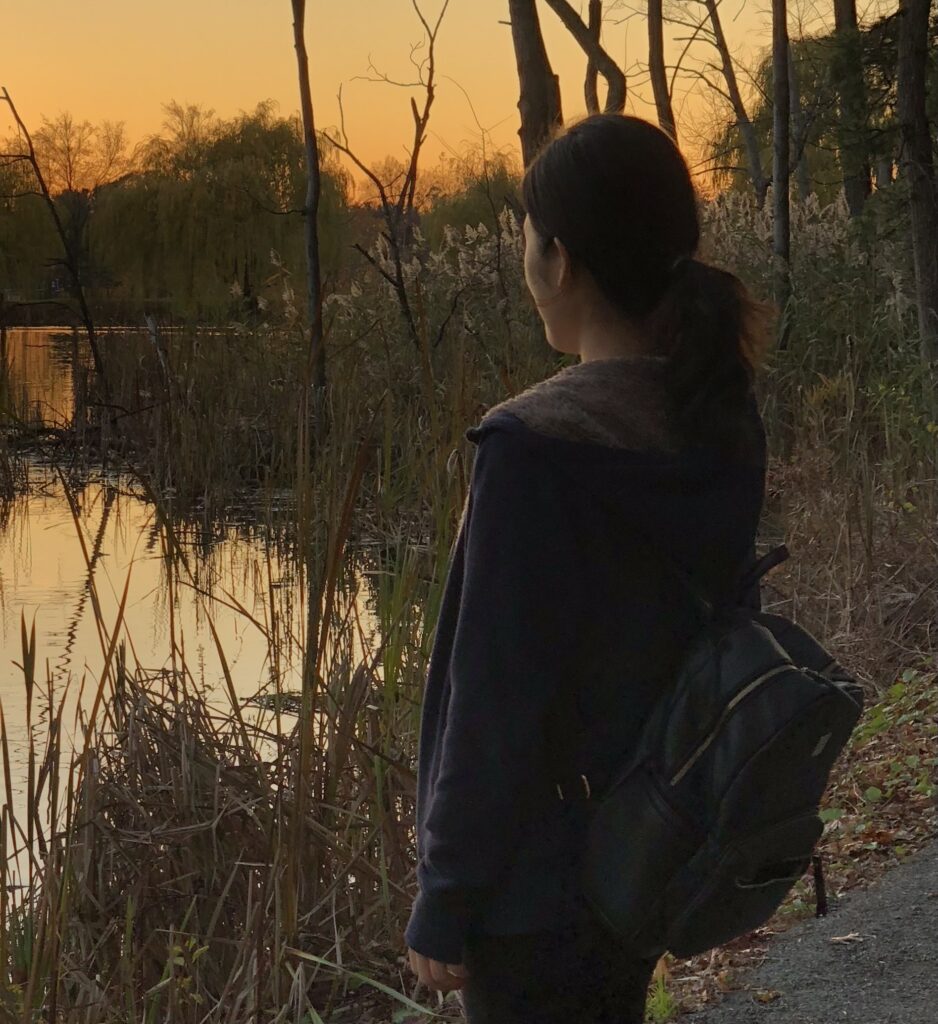
People are living different lives in different worlds, and you will miss important gatherings, milestones, and everyday moments. It is one of the least discussed costs of studying abroad, but for many people, it becomes one of the most deeply felt.
Immigration rules can add pressure
Immigration-related issues can also be difficult to navigate. Visa rules, legal paperwork, extensions, and post-graduation work options are often complex and subject to change. Without clear and reliable information, students can face unnecessary risks.
So, is studying abroad worth it?
For me, studying abroad has always been a journey of self-discovery. The challenges, responsibilities, and unexpected lessons helped me understand my strengths, weaknesses, and long-term goals much more clearly.
If I had the chance to choose again, I would still study abroad. Not because the path was easy or perfect, but because the experience changed the way I see the world — and the person I have become through it.
Looking back on nearly ten years in the U.S., what I am most proud of is not my degree or my job. It is the person I became after everything I went through.
If there are moments when the difficulties feel overwhelming and you wonder whether you can keep going, remember this: what you are experiencing is temporary. If you stay determined, the lessons you gain from these challenges will become some of the most valuable things you carry into the future.