Finding a job in the U.S. is almost a survival skill. When I first arrived, a relative joked that in America, having a job is what helps you get a home, a car, and basically everything else. For international students and new Americans, employment matters even more because it affects not only daily expenses, but also visa status, and long-term career direction.
During my years of studying and working in the U.S., I used a wide range of platforms to look for opportunities — from student internships to private-sector jobs and public-sector roles. Below are the job-search resources I have personally found most useful.

Handshake
If you are a student, Handshake is one of the best places to start. It is built specifically for college students and recent graduates, and many U.S. universities use it to connect students with internships, on-campus jobs, career fairs, and entry-level roles. That is why people often describe it as a kind of “LinkedIn for students.”
LinkedIn is both a professional networking platform and a job-search tool. In recent years, it has become one of the most effective ways for employers and candidates to connect. Many recruiters now reach out directly through LinkedIn profiles, so keeping your profile updated and professional can make a real difference in your job search.

Personally, I prefer LinkedIn over many other job search platforms because they are closely tied to a company’s credibility and branding. Spending more time on LinkedIn is worthwhile. It not only helps you discover job openings, but also gives you a better understanding of a company’s operations and culture. You can also access career advice, skill training, and stories about what is happening in the recruiting world through daily posts on LinkedIn.
I found my first full-time job through a post on LinkedIn. The first time I saw the hiring post, I knew I wanted to work there because of its daily updates and the way employees interacted with one another on LinkedIn.
American Job Centers (CareerOneStop)
American Job Centers provide free support for job seekers and are backed by the U.S. Department of Labor. Through CareerOneStop, you can access job listings, resume and interview support, career exploration tools, training information, and local employment resources. For students, graduates, and newly arrived immigrants, this is one of the most useful public resources to know.
School-Based Career Resources
If you are an international student, you should absolutely take advantage of your school’s career support services. Career centers, job fairs, and recruitment emails from your department or university can be surprisingly valuable. Jobs shared through these channels are often screened before they reach students, which means you may have a better chance than if you apply through a crowded third-party platform.
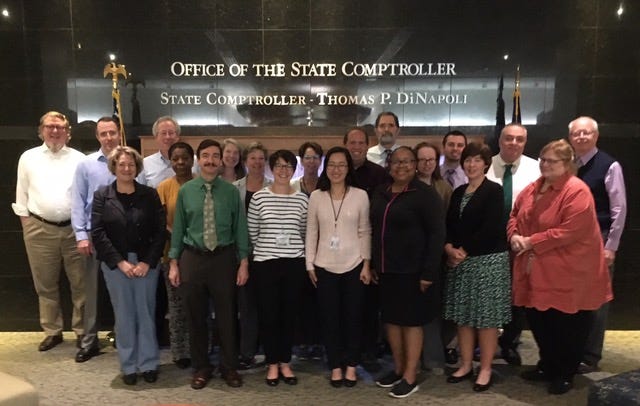
For example, state agencies in New York often attend job fairs at public universities in the SUNY system to recruit interns and entry-level employees. That is one reason campus events can be more useful than many students expect.

Large job platforms such as Indeed, Glassdoor, Monster, and CareerBuilder are also worth using because they pull listings from thousands of other sources. Some offer extra features as well, such as company reviews, salary information, or broader listings that include both white-collar and blue-collar jobs.
One area that many students and Vietnamese newcomers in the U.S. tend to overlook is government employment. In general, public-sector hiring exists at three levels: federal, state, and local. Here are a few ways to explore those opportunities.
USAJOBS
USAJOBS is the official federal government hiring website. It is the main place to search for openings in federal agencies and to learn how the federal application process works. If you are interested in public-sector work, it is one of the first platforms you should understand.
To find state and local government jobs, you usually need to check each state’s official hiring website or the official websites of city and county governments. Many agencies also repost openings on platforms like Indeed, LinkedIn, and CareerBuilder, but the official websites are still the most reliable source.
Government agencies also hire for far more roles than many people assume. Yes, there are office jobs, IT, and budget positions — but there are also openings in social services, engineering, healthcare, food service, maintenance, and many other areas. In other words, you do not need a single specific degree to think about public-sector work.
If you are a student looking for internships, government agencies are also worth serious attention. Every year, many paid internship programs are offered to students still in school. These experiences can lead to strong references, valuable training, and in some cases even full-time opportunities after graduation.
One thing to keep in mind is that in many cases you must already live in the state or local area — or be willing to relocate — and you must have valid work authorization before being hired for many of these roles.
Beyond broad job boards, there are also more specialized websites that can be useful depending on the type of work you want.
Idealist
If you want to work in nonprofits, community service, or mission-driven organizations, Idealist is a very strong option. The platform focuses on social-impact jobs and volunteer opportunities, which gives it a very different feel from general job boards.
FlexJobs
FlexJobs can be useful if you are searching for remote work, part-time jobs, or flexible freelance-style opportunities that fit around other commitments.
SimplyHired
SimplyHired is another platform people use for broad job searches, especially when they want salary estimates and alert features that help track openings over time.
Conclusion
Using multiple job-search channels gives you a much better chance of finding the right opportunity, building a stronger application, and shaping your career more intentionally. In the U.S., it often takes three to six months of focused effort to land a job that is truly a good fit.
One important thing to remember is not to panic or lose confidence when employers reply slowly, never reply at all, or reject your application. In the U.S., it is completely normal to submit dozens — or even hundreds — of applications before getting an interview. In many cases, it simply means the role was not the right match. Over time, the process helps you understand both what skills you still need and what kind of work actually suits you best.