
Studying in the United States is a significant financial investment. For many international students, once the stress of getting a visa is finally behind them, financial pressure begins to set in. From tuition and rent to everyday living expenses, many students quickly realize that the cost of living can be much higher than what they were accustomed to in their home countries.
The good news is that you do not have to live an extremely restrictive lifestyle just to save money. By building a few smart spending and saving habits, you can significantly reduce your living expenses while still maintaining a good quality of life.
Below are several practical ways to do that.
Start with a Personal Budget
One of the most important first steps is creating a personal budget. Track your income and major spending categories each month so you can understand your cash flow, set realistic limits, and identify expenses that can be reduced without significantly affecting your quality of life. Even simple budgeting apps or spreadsheets can make it much easier to see where your money is going.
Choose Shared Housing Instead of a Dorm or Private Apartment

Image: Gustavo Fring/Pexels
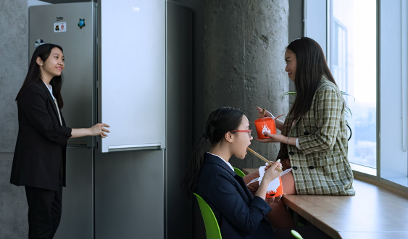
Sharing housing, or renting a room with others, is one of the simplest ways to save a significant amount of money each month. Depending on the location, renting a room in a shared home can be significantly cheaper than renting a studio or one-bedroom apartment on your own.
In cities with established communities from your home country, sharing housing with people from your home country may simplify the rental process and provide valuable support during your first few months.
That said, living only with roommates from your home country may limit your opportunities to improve your English communication skills and learn about new cultures compared with living with native speakers or international roommates from other countries.
Save on Food Expenses
Eating out regularly can cost considerably more than preparing meals at home. Instead of eating out frequently, try preparing your own meals. Cooking at home not only helps you save money, but also makes it easier to eat food that suits your taste and supports a more balanced diet.
When I first came to the U.S., grocery shopping during winter was surprisingly inconvenient because I relied on public transportation. That was when I started buying frozen vegetables and fruit. They were affordable, lasted much longer than fresh produce, and made it much easier to prepare healthy meals while reducing food waste.
If you are short on time, you can cook once or twice a week, divide meals into portions, and store them in the refrigerator or freezer. This saves time and helps reduce the habit of eating out.
Affordable grocery stores such as Aldi or Walmart can help, while warehouse stores such as Costco may be worthwhile if you share a membership and buy only what you can realistically use.

Take Advantage of Student Discounts
Using student discounts is a smart way to save money. Many websites, stores, restaurants, and services in the U.S. offer discounts for students.
Some colleges, especially larger institutions, also operate food pantries that provide groceries and basic necessities to students facing financial hardship. Schools may also offer discounted public transportation, low-cost day trips, and reduced admission to museums, theaters, or other local attractions.
Look for Discounts, Second-Hand Items, and Free Resources
Retailers often offer deep discounts on off-season items. Major sale periods such as Black Friday, post-holiday clearance events, and end-of-season sales may also offer worthwhile discounts.
You can also consider buying second-hand items such as textbooks and furniture through nearby garage sales or student groups on Facebook.
Increase Your Income Through Authorized Part-Time Work
International students can also look for part-time jobs that comply with their visa regulations. A part-time job not only gives you extra income, but also helps you gain experience, build confidence, improve your English communication skills, and expand your network. However, it is important to balance work and school so that your academic performance is not affected.
It should be noted that F-1 students generally face limits on off-campus employment, while CPT and OPT require specific authorization and conditions.
Save on Phone Expenses
You can compare and sign up for prepaid and low-cost mobile plans from providers such as Mint Mobile, Tello, Google Fi Wireless, and similar options in your area. If you have close friends or relatives nearby, usually three to four people, you can also join a family plan together, which is often much cheaper than individual plans.
Use Bank Cards and Credit Cards Wisely
If you have good financial discipline, consider using a credit card to earn cashback or rewards. Building credit responsibly while you are a student may make it easier to rent an apartment, finance a vehicle, or qualify for a home mortgage in the future.
However, keep in mind that if you do not pay off your full balance every month, credit card interest rates can be very high and quickly become difficult to manage.
Save and Invest
If you have a stable source of income and are planning to stay in the U.S. long term, you may want to start thinking about savings and investing early.
Some students may feel that this advice is unrealistic, but in my experience, investing is one of the most effective ways to use money wisely.
Before investing, build an emergency fund and make sure you will not need the money for tuition, rent, health expenses, or other short-term needs. Money needed within the next few years may be better kept in an accessible savings vehicle rather than invested in assets that can fluctuate in value.
Once your essential expenses are covered and you have a longer time horizon, you may consider investing a small amount regularly in relatively safer investment options such as broad-market index funds or money market funds.
Investing a small amount regularly helps you build financial discipline while also preventing you from feeling overly stressed when the market fluctuates.
Conclusion
Start building smart saving habits from the smallest things. For example, take public transportation or your school bus instead of calling a private ride, limit unnecessary shopping, and look for discounts whenever possible. Small changes like these can make a big difference when practiced consistently over time.
Saving money does not mean living miserably. It means managing your spending wisely and with a plan. When you manage your finances well, you will have more freedom to enjoy your study abroad experience in a fuller and more meaningful way.
I was fortunate not to experience heavy financial pressure because I had a scholarship and stipend that helped cover my living expenses. Still, applying most of the saving principles above helped me enjoy life more fully while also saving enough in my budget to visit my family during school breaks.
Many international students go through periods when money is tight. If that happens, do not feel discouraged. Living frugally for a few years does not define your future. With good planning, those temporary sacrifices can become the foundation for greater financial stability and future opportunities.
Related Articles:
CPT, OPT, and STEM OPT: A Practical Work Roadmap for International Students in the U.S.
The Most Common Green Card Pathways for International Students
Don’t Overlook These Job Opportunities if You are an International Student